Acrylic fabric bonding is an industrial process that joins acrylic canvas, awning, and marine fabrics using heat-activated adhesive tape — creating seams that are stronger, more durable, and leak-resistant compared to traditional sewing.
Miller Weldmaster każdy etap procesu zgrzewania: zachowanie tkaniny akrylowej pod wpływem ciepła, dobór metody zgrzewania dostosowanej do wielkości produkcji, porównanie zgrzewanych szwów z alternatywnymi rozwiązaniami szytymi oraz sposoby zapobiegania najczęstszym usterkom zgrzewania. Niezależnie od tego, czy prowadzą Państwo niewielki warsztat produkujący markizy, czy też linię produkcyjną o dużej wydajności, zawarte tu informacje mają bezpośredni wpływ na Państwa decyzję zakupową.
Acrylic fabric cannot be thermoplastic-welded like PVC because it does not melt and re-fuse — bonding with heat-activated adhesive tape is required instead.
Hot air, hot wedge and impulse welding methods can all activate acrylic bonding tape to create strong, durable seams.
Zgrzewane szwy akrylowe eliminują blaknięcie nici, przecieki w miejscach nakłuć igłą oraz krótką żywotność nici — trzy najczęstsze przyczyny uszkodzeń podczas szycia płótna akrylowego.
Kontrola procesów — temperatury, ciśnienia i prędkości maszyny — ma decydujący wpływ na wytrzymałość szwu i powtarzalność wyników w warunkach produkcyjnych.
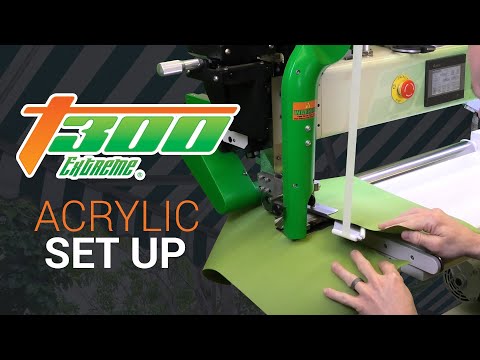
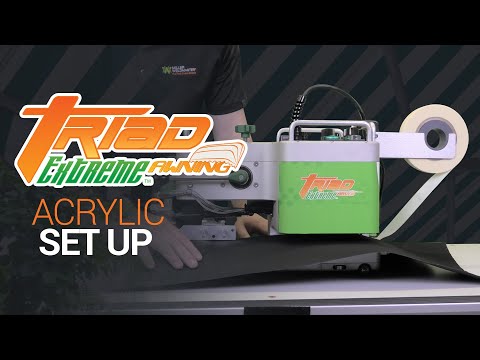
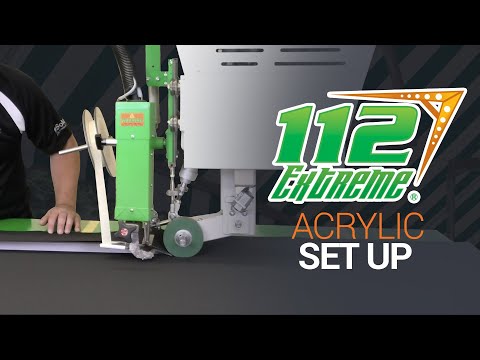
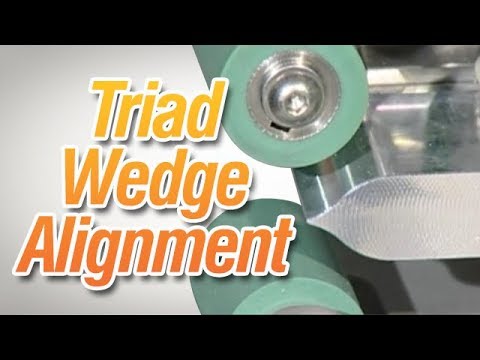
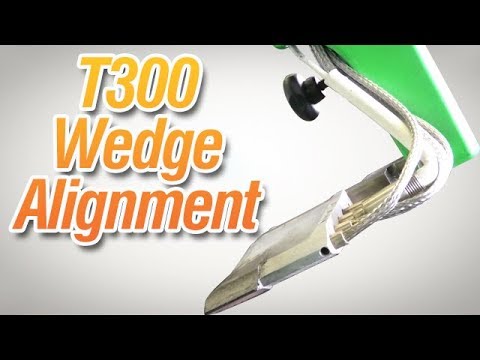
Miller Weldmaster maszyny specjalnie dostosowane do klejenia akrylu, w tym modele T300 Extreme, Triad Extreme i 112 Extreme.
Czym jest zgrzewanie tkanin akrylowych?
The industrial process of permanently joining two or more pieces of acrylic fabric using a heat-activated adhesive tape, applied through a controlled welding machine. The result is a seam that is fully sealed, weather-resistant, and structurally superior to traditional sewn seams for most outdoor and marine applications.
Unlike PVC or polyurethane fabrics that melt and re-fuse under direct heat, acrylic fabric needs a heat-activated adhesive tape as the bonding agent — not raw heat — to create a permanent seam. Understanding this distinction is the starting point for anyone selecting a machine or setting process parameters for acrylic production.
Dlaczego tkaniny akrylowe nie mogą być zgrzewane tak jak PCV
The core technical distinction: acrylic is a woven synthetic fiber, not a thermoplastic film. PVC and polyurethane fabrics melt under heat and re-fuse when pressure is applied — that is what direct thermoplastic welding exploits. Acrylic fabric does not behave this way. Apply direct heat without an adhesive and you risk glazing or scorching the surface without creating any seam bond. This is the most common misunderstanding buyers bring to the conversation, and it matters because it affects machine selection, tape selection, and every process parameter setting in production.
How Acrylic Adhesives Work
W procesie zgrzewania termicznego wykorzystuje się laminowaną taśmę samoprzylepną — z mocnym klejem po obu stronach — umieszczoną pomiędzy dwoma kawałkami tkaniny akrylowej. Zgrzewarka podgrzewa taśmę w celu aktywacji kleju, a nacisk wywierany przez wałki i pręty zgrzewające powoduje utwardzenie połączenia. Proszę przestrzegać poniższej kolejności czynności podczas każdej serii produkcyjnej:
- Position laminated bonding tape between the two acrylic fabric pieces, fully seated within the seam allowance.
- Apply controlled heat via the welding method — hot air, hot wedge or impulse — to activate the adhesive at the correct temperature range for acrylic.
- Apply pressure through bonding rollers and bars to consolidate the seam and ensure full contact between the tape adhesive and both fabric surfaces.
- Allow cooling before handling to achieve full bond strength. Pulling a seam before it has cooled is one of the most common causes of weak seams.
Properties of Acrylic Fabric
Akryl cieszy się wysoką ceną na rynkach markiz, wyposażenia łodzi oraz wyrobów zewnętrznych ze względu na swoje specyficzne właściwości użytkowe. Te same cechy, które decydują o jego wartości, sprawiają również, że prawidłowe łączenie materiałów ma kluczowe znaczenie — wadliwe połączenie w produkcie akrylowym wpływa na właściwości użytkowe tkaniny, a nie tylko na proces produkcji.
- Odporność na promieniowanie UV: materiał ten jest odporny na blaknięcie i niszczenie powierzchni w wyniku długotrwałej ekspozycji na słońce — to właśnie główny powód, dla którego producenci markiz i wyposażenia jachtowego wybierają ten materiał.
- Odprowadzanie wilgoci: odprowadza wilgoć z powierzchni bez jej wchłaniania, zachowując integralność strukturalną w wilgotnym otoczeniu.
- Odporność na oleje i substancje chemiczne: sprawdza się w warunkach przemysłowych i morskich, w których występują zanieczyszczenia.
- Wysoka wytrzymałość na rozciąganie: utrzymuje napięcie w ramach markiz i konstrukcjach zacieniających bez rozciągania się ani uginania.
- Odporność na warunki atmosferyczne na zewnątrz: zachowuje integralność strukturalną w skrajnych temperaturach, od zimowego przechowywania w niskich temperaturach po bezpośrednie nasłonecznienie latem.
Acrylic Fabric Bonding Methods: Comparing Hot Air, Hot Wedge and Impulse Welding
Choosing the right bonding method for acrylic fabric comes down to three variables: your production volume, your typical seam geometry, and the weight of the acrylic material you run. Each method activates the same heat-activated adhesive tape — what differs is how the heat is delivered and how fast the machine can move through a seam. The table below maps each method to the production context it serves best.
The most important thing to understand about the table below: none of these methods involve melting the acrylic fabric itself. Every row describes a mechanism for activating the adhesive tape. The fabric stays intact. The bond forms between the tape and the fabric surface, not between two fabric surfaces fused together.
Machine Settings for Acrylic Bonding: Temperature, Pressure, and Speed
Acrylic fabric requires a lower heat band than vinyl or PVC. The exact range depends on the specific acrylic blend and coating weight, but the guiding principle holds across materials: if you can see surface glazing on the fabric face, the temperature is too high. Reduce heat before increasing speed to compensate.
Szybkość ma znaczenie, ponieważ czas przebywania — czyli czas, przez jaki tkanina jest poddawana działaniu ciepła w miejscu łączenia — bezpośrednio wpływa na ilość energii pochłanianej przez klej. Zbyt duża prędkość przy odpowiedniej temperaturze powoduje niedostateczne utwardzenie kleju. Zbyt mała prędkość przy odpowiedniej temperaturze grozi przypaleniami. Prawidłową równowagę określa się na podstawie szwu próbnego, a nie obliczeń.
Ustawienia nacisku mają wpływ na to, jak dobrze aktywowany klej przylega do obu powierzchni tkaniny. Zbyt mały nacisk powoduje niepełne związanie, zwłaszcza na krawędziach szwów. Zbyt duży nacisk na lekkie płótno akrylowe może zniekształcić splot tkaniny i spowodować wady estetyczne gotowych produktów.
Przed rozpoczęciem produkcji z nowej partii materiału — lub po każdej zmianie ustawień maszyny — należy wykonać próbny szew na skrawku tego samego materiału i przeprowadzić test odrywania przed przystąpieniem do właściwej produkcji. Specjaliści ds. zastosowań Miller Weldmaster mogą doradzić w sprawie parametrów początkowych dostosowanych do konkretnego rodzaju materiału i modelu maszyny.
| Metoda | Jak to działa | Najlepszy dla | Prędkość | Najważniejsze kwestie |
|---|---|---|---|---|
| Spawanie gorącym powietrzem | Controlled hot air stream activates adhesive tape between fabric layers | Produkcja markiz z prostymi szwami, o średniej i dużej wydajności | Od umiarkowanego do szybkiego | Kontrola temperatury ma kluczowe znaczenie — zbyt wysoka temperatura powoduje powstawanie szklistej powłoki na powierzchni akrylu |
| Spawanie gorącym klinem | Rozgrzany metalowy klin styka się bezpośrednio z warstwami tkaniny, aby aktywować wiązanie taśmy | Długie, ciągłe szwy na grubszym płótnie akrylowym | Szybkie do pracy ciągłej | Wymaga precyzyjnego ustawienia klinów; dłuższe przygotowanie do produkcji małych serii |
| Spawanie impulsowe | Krótki, kontrolowany impuls cieplny przepuszczany przez element uszczelniający powoduje aktywację połączenia taśmowego | Krótsze długości szwów, zakłady o mniejszej wydajności, zróżnicowane kształty szwów | Wolniejsze w każdym cyklu, elastyczne | Kluczem do uzyskania powtarzalnej wytrzymałości spoiny jest stały czas utrzymywania |
Acrylic Fabric Bonding vs. Sewing: Why Industrial Manufacturers Are Making the Switch
Sewing has been the standard joining method for acrylic canvas for decades. It works — up to a point. At production scale, and across the service life of outdoor and marine products, three specific failure modes consistently push fabricators toward bonded seams. Understanding each one helps explain why the switch from sewing to bonding is not just a process upgrade but a warranty and quality management decision.
The Hidden Costs of Sewing Acrylic: Thread Fade, Needle Holes, and Rework
Pierwszym rodzajem uszkodzenia jest blaknięcie nici . Tkanina akrylowa została zaprojektowana z myślą o odporności na promieniowanie UV — zachowuje kolor i integralność strukturalną nawet po latach bezpośredniej ekspozycji na słońce. Nici jednak nie. Nici poliestrowe lub nylonowe używane do szycia płótna akrylowego ulegają degradacji szybciej niż sama tkanina. Skutkiem tego jest rzucająca się w oczy rozbieżność: wyblakłe nici przebiegające przez nienaruszoną tkaninę. Dla producentów markiz, którzy mają zobowiązania gwarancyjne, blaknięcie nici stanowi powód do reklamacji, a nie tylko problem estetyczny.
Drugim rodzajem uszkodzeń są przecieki w otworach po igle . Każdy ścieg tworzy perforację w tkaninie. Gdy nić jest nowa i nie uległa degradacji, wypełnia otwór i zapewnia odpowiednią wodoodporność. W miarę jak nić słabnie pod wpływem promieniowania UV, otwory się rozszerzają. Woda przedostaje się wzdłuż linii szwu — jest to właśnie ten rodzaj uszkodzenia, któremu mają zapobiegać produkty przeznaczone do użytku na świeżym powietrzu lub w środowisku morskim.
Rework costs compound both problems. Re-sewing an acrylic seam requires removing the old thread, resetting the sewing machine, and running the seam again — with a real risk that the needle holes from the first pass compromise the repair. Running the same seam through a bonding machine after initial validation takes a fraction of the time. At production scale, the labor differential adds up to a meaningful cost per linear foot.
Siła wiązania: porównanie wyników klejenia akrylu z szyciem
The industry benchmark for awning and marine seams is 60–80% of base fabric tensile strength. A seam below that range is a warranty risk; a seam at or above it holds for the product's expected service life. Properly bonded acrylic seams with correctly specified heat-activated tape consistently reach this benchmark — and maintain it throughout the product's life because the bond is not subject to UV degradation the way thread is.
Szyte szwy mogą początkowo wykazywać podobną wytrzymałość. Różnice ujawniają się jednak z upływem czasu. W miarę zużywania się nici wytrzymałość szwu maleje. W przypadku szwów klejonych nie dochodzi do takiego zużycia. Dla producentów, którzy udzielają na swoje produkty wieloletnich gwarancji, szwy klejone stanowią rozwiązanie o mniejszym ryzyku.
| Issue | Szyte szwy akrylowe | Spojenia akrylowe |
|---|---|---|
| Wodoszczelność szwów | Narażony na uszkodzenia w postaci otworów po igłach; z czasem ulega degradacji pod wpływem promieniowania UV | Fully sealed seam — no needle holes, watertight throughout service life |
| Z upływem czasu kolor nici blaknie | Nici tracą kolor i wytrzymałość, zanim tkanina ulegnie zniszczeniu | Brak widocznej nici — wygląd szwu dorównuje trwałości materiału |
| Nieszczelności w otworach po igłach | Każdy ścieg powoduje przebicie; problem nasila się wraz ze słabnącą wytrzymałością nici | Eliminated — adhesive tape fills and seals the seam line |
| Szybkość produkcji | Wymaga dużego nakładu pracy; zależy od umiejętności operatora i sposobu nawlekania maszyny | Stała wydajność; ustawienia maszyny zapewniają powtarzalność wyników |
| Wskaźnik przeróbek szwów | Ponowne zszywanie jest czasochłonne i może wymagać wymiany materiału | Przy prawidłowym ustawieniu parametrów procesu ilość poprawek jest minimalna |
| Koszt robocizny na metr bieżący | Wyższe — koszty nici, częstsze wymiany igieł, przestoje operatorów | Po zatwierdzeniu ustawień należy zmniejszyć skalę produkcji |
Obszary zastosowania klejenia tkanin akrylowych — branże i zastosowania
Branże, w których stosuje się płótno akrylowe, charakteryzują się wspólnymi warunkami eksploatacji: długotrwałym narażeniem na promieniowanie UV, wilgoć oraz obciążenia mechaniczne. To właśnie te czynniki sprawiają, że uszkodzenia szwów są szczególnie dotkliwe — a szwy klejone nabierają największego znaczenia. Poniżej przedstawiono główne branże, dla których Miller Weldmaster rozwiązania w zakresie klejenia akrylowego.
Markizy i konstrukcje zacieniające
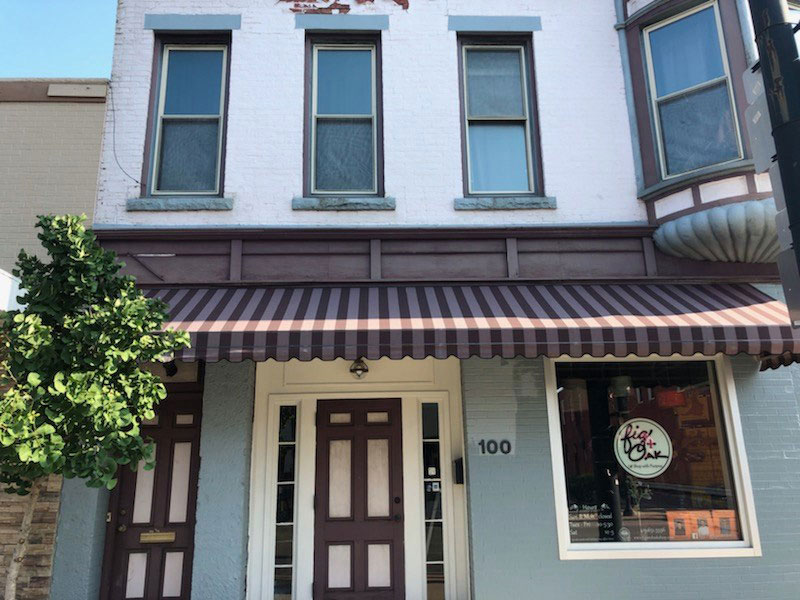
Awning fabrication is one of the main applications for acrylic fabric bonding. A commercial awning stays under UV and rain load for years before it is replaced, and sewn seams often show thread fade and needle hole leaks long before the fabric itself fails, which leads to customer callbacks and warranty claims.
Bonded seams address both failure modes. The awning keeps sealed seams through its service life, the fabricator handles fewer callbacks, and seam quality becomes a selling point when bidding commercial projects. See how four Miller Weldmaster machines transformed production at Lehr Awning in our acrylic awning case study.
Płótno żeglarskie i pokrowce na łodzie
W zastosowaniach morskich do promieniowania UV i wilgoci, z którymi mają do czynienia już same markizy, dochodzą jeszcze słona woda i ciągłe rozciąganie. Warunki te przyspieszają niszczenie nici szybciej niż jakiekolwiek inne środowisko — w przypadku silnego promieniowania UV i aerozolu solnego w szytym produkcie z płótna morskiego mogą pojawić się nieszczelności w szwach już w ciągu jednego sezonu żeglarskiego.
Bonded seams maintain watertight integrity across the flex cycles and chemical exposure that marine environments impose. Bimini tops, boat covers, and dodgers are the most common marine products where fabricators make the switch from sewing to bonding — and where the quality difference is most visible to the end customer.
Rekreacja na świeżym powietrzu i meble ogrodowe
Pokrowce na meble ogrodowe, poszycia parasoli oraz poszycia poduszek ogrodowych są narażone na takie samo działanie promieniowania UV i wilgoci jak markizy, ale dodatkowo muszą spełniać wymagania estetyczne z punktu widzenia konsumenta. Szwy są widoczne. W przypadku wysokiej jakości mebli ogrodowych widoczne są wyblakłe nici i nierówne linie szwów, co sugeruje kupującemu problemy z jakością, niezależnie od tego, czy szew faktycznie uległ uszkodzeniu.
Szwy klejone charakteryzują się estetycznym wyglądem — nie widać linii szwu ani przebarwień nici. Dla producentów pozycjonujących swoje produkty w segmencie premium rynku odzieży outdoorowej walory estetyczne szwów klejonych mają równie duże znaczenie komercyjne, co ich zalety konstrukcyjne.
Specjalistyczne zastosowania przemysłowe
Beyond traditional outdoor and marine applications, acrylic fabric bonding serves filtration bags, protective covers, and custom industrial enclosures where chemical resistance and seam integrity under mechanical stress are non-negotiable requirements. In these applications, a sewn seam is often disqualified from the specification outright — the perforation risk is incompatible with the containment requirement. Bonded acrylic seams provide the fully sealed surface these applications demand.
Choosing the Right Machine for Acrylic Fabric Bonding
Wybór odpowiedniej maszyny do Państwa działalności zależy od trzech czynników: wielkości produkcji na zmianę, wymaganej geometrii szwów oraz gramatury używanej tkaniny akrylowej. Poniższa tabela przedstawia powiązania między tymi czynnikami a kategoriami maszyn Miller Weldmaster . Proszę potraktować ją jako punkt wyjścia do rozmowy ze specjalistą ds. zastosowań, a nie jako ostateczną specyfikację.
Match the Machine to Your Production Volume
Działalność o niewielkiej skali i małe zakłady
For shops bonding shorter runs, varied seam geometries, or a wide mix of acrylic products, impulse welding is typically the right starting point. The lower capital cost matches the production profile, and the flexibility to handle different seam lengths without major setup changes suits shops where no two jobs are identical.
Output profile: impulse machines handle seam lengths from a few inches to several feet, with cycle times that match manual-feed production paces. The key process variable is dwell time — the duration of the heat pulse. Getting that right for your specific tape and fabric combination is a one-time calibration that then produces consistent seams across the run.
Producenci markiz i wyposażenia jachtowego na średnią skalę
Awning shops and marine canvas fabricators producing at mid-volume — regular production schedules, consistent fabric weights, and long continuous seam requirements — are the natural fit for hot air and hot wedge welding machines. Continuous seam production at consistent speeds is where these machines outperform impulse alternatives on a cost-per-linear-foot basis.
The T300 Extreme and 112 Extreme are Miller Weldmaster's purpose-built solutions for this production profile. Both are calibrated for acrylic bonding — the temperature range, pressure systems, and feed mechanisms are designed for the lower heat requirements and precise speed control that acrylic fabric demands.
Linie produkcyjne o dużej wydajności i zautomatyzowane
Manufacturers producing at scale — where the cost of machine downtime and seam rework is measured in production hours, not individual jobs — need machines with higher throughput and automation capability. High-speed hot air and hot wedge machines and automated bonding systems address that requirement.
The Triad Extreme and Miller Weldmaster's custom automation options serve this segment. The focus at this production level is not just machine capability but system integration: how the bonding station fits into the broader production line, what upstream and downstream handling looks like, and how quality control is built into the process rather than applied after it.
Typowe usterki związane z klejeniem akrylowym — oraz sposoby ich zapobiegania
W przypadku prawidłowego ustawienia parametrów procesu klejenie akrylowe zapewnia uzyskanie trwałych połączeń. Gdy tak nie jest, przyczyną niepowodzenia jest prawie zawsze jedna z trzech podstawowych przyczyn: zbyt wysoka temperatura, niewystarczający nacisk lub niejednolite ustawienia w trakcie serii produkcyjnej. Każdemu z tych rodzajów niepowodzeń można zapobiec.
Failure Mode 1: Surface Glazing or Scorching
Surface glazing occurs when the temperature setting is too high for the specific acrylic fabric being bonded. Acrylic coatings — particularly the solution-dyed finishes used on premium awning and marine canvas — are sensitive to excess heat. Glazing affects both seam appearance and bond strength, because the adhesive on the tape may over-activate and lose structural integrity before the seam is set.
Prevention: Run a test seam at the lower end of your temperature range before committing to a production run on any new fabric lot. If glazing appears, reduce temperature before increasing speed. Slower speed at a lower temperature is consistently more reliable than faster speed at a higher one for acrylic materials.
Failure Mode 2: Peel Failure at the Seam Edge Due to Surface Energy
Edge peel is the result of insufficient pressure during bonding, or adhesive tape that was not fully seated within the seam allowance before heat was applied. The center of the seam may bond correctly while the edges lift — a failure that becomes visible immediately on peel testing or, worse, in the field after installation.
Prevention: Verify tape placement before feeding material through the machine. Confirm pressure roller settings are within the recommended range for the fabric weight. After the first seam of any production run, conduct a 10-minute peel test — pull the seam apart by hand at the edge — before continuing. If the edge peels cleanly, adjust before proceeding.
Failure Mode 3: Bonding Inconsistency Across a Production Run
Run-to-run inconsistency is the hardest failure mode to diagnose because individual seams may look acceptable while aggregate seam strength varies. The two most common causes are machine settings that drift over a long production run — particularly temperature, which can creep as the machine reaches thermal equilibrium — and fabric lot variation, where different coating weights or acrylic blends require different parameter settings.
Prevention: Calibrate machine settings at the start of each shift, not just at initial setup. When switching to a new material lot, treat it as a new material — run a test seam and validate before full production. Sample seam strength testing throughout a run (not just at the beginning) catches drift before it becomes a quality issue. Miller Weldmaster's service and training programs cover production calibration protocols for each machine model.
Jeśli nie widzą Państwo swojej tkaniny na liście po lewej stronie, prosimy o kontakt i poinformowanie nas o swoich potrzebach w zakresie zgrzewania tkanin.